Some deliveries may take a little longer than usual due to regional shipping conditions.

DOWNLOAD THE APP


Customer Services
Copyright © 2025 Desertcart Holdings Limited
DOWNLOAD THE APP
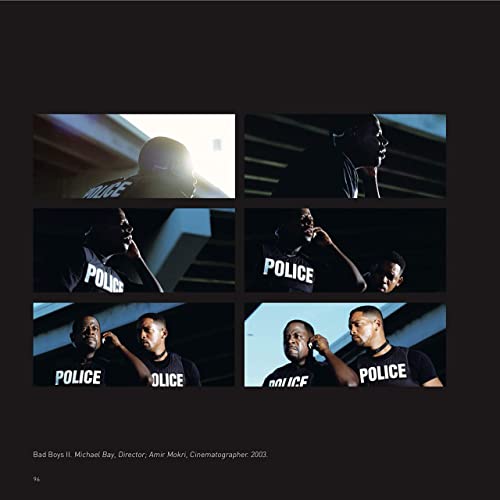
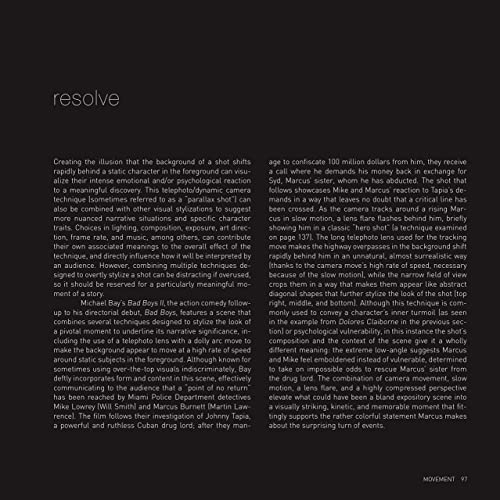
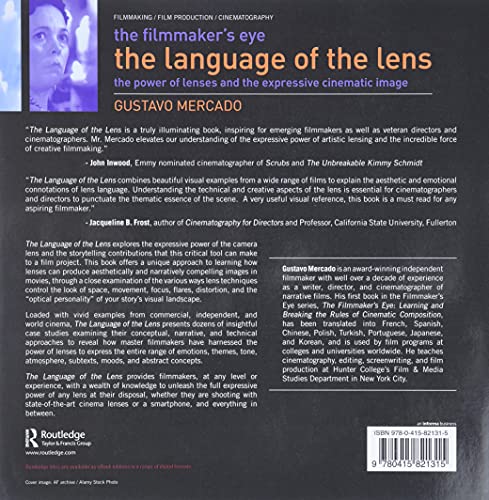
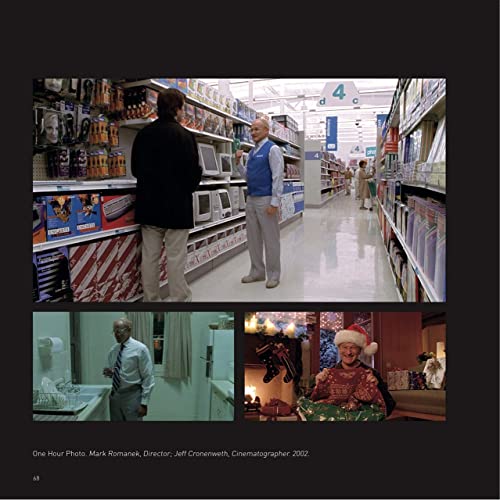

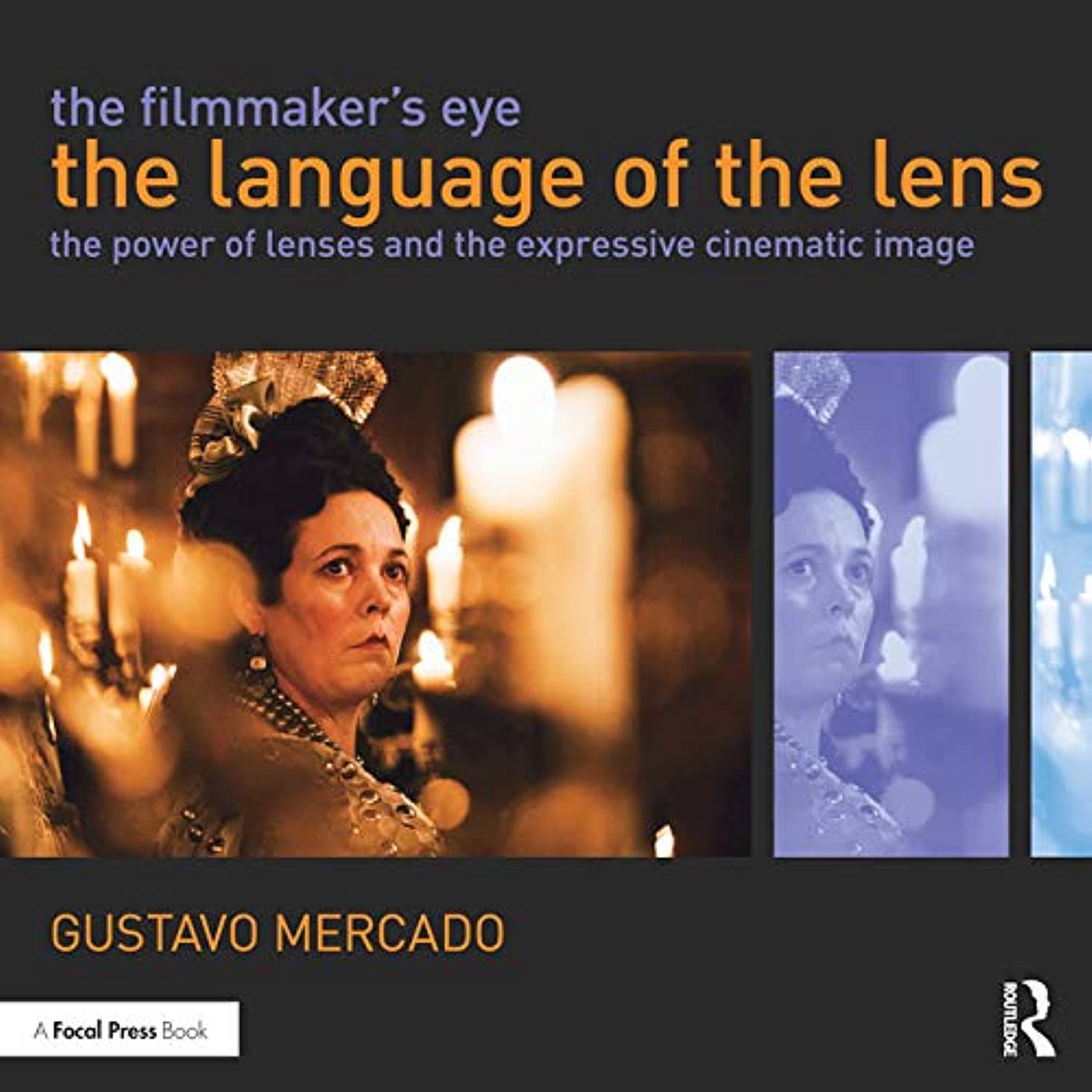
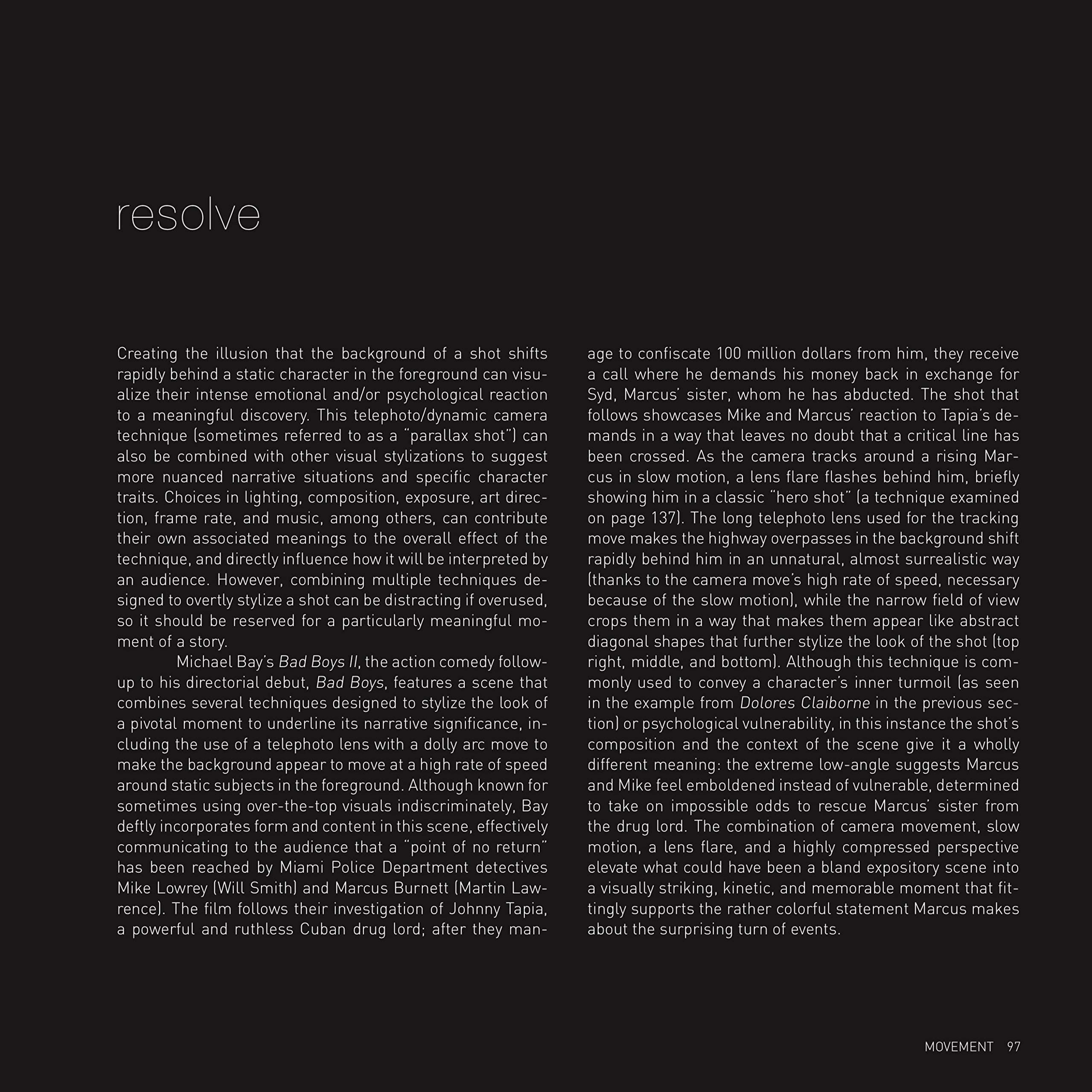
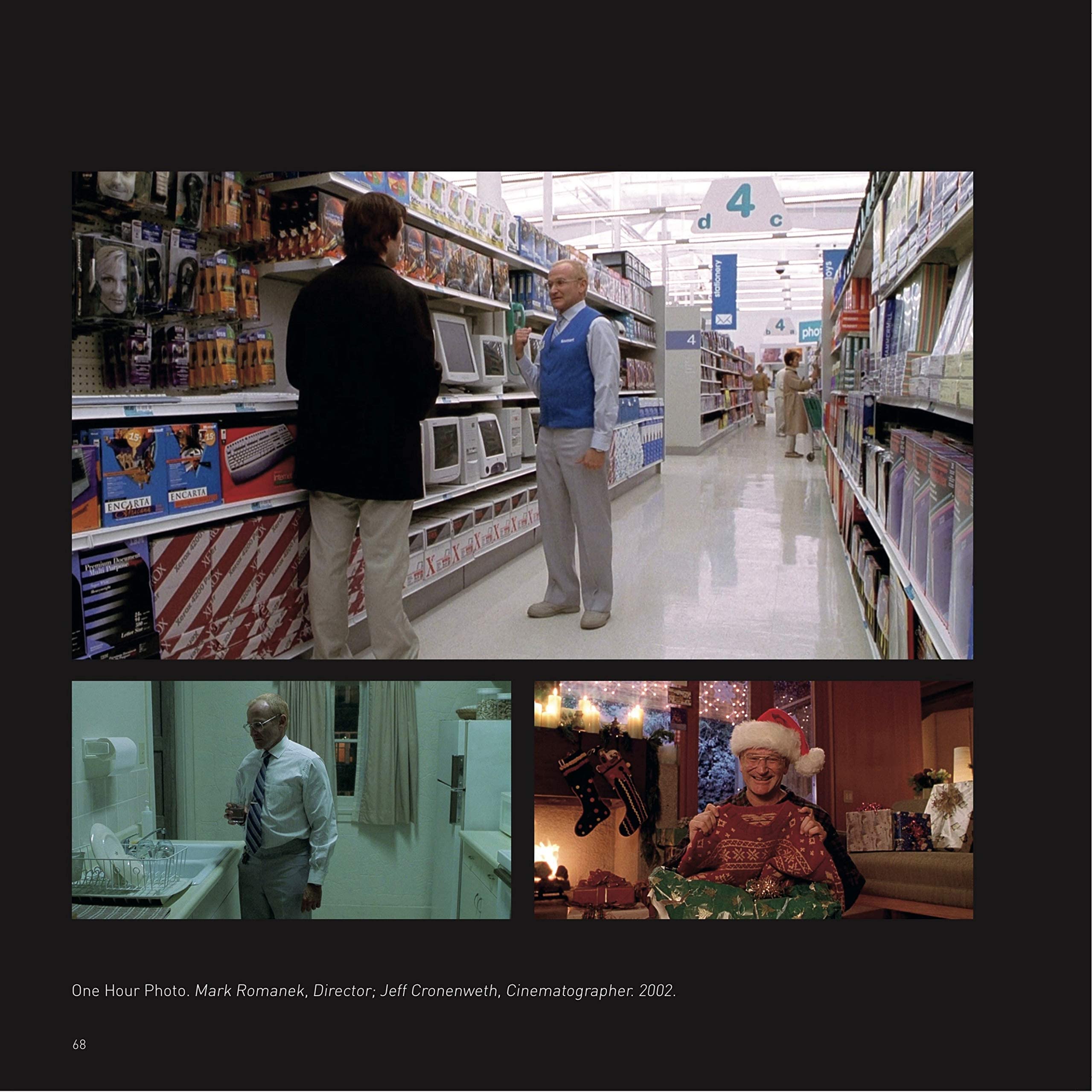
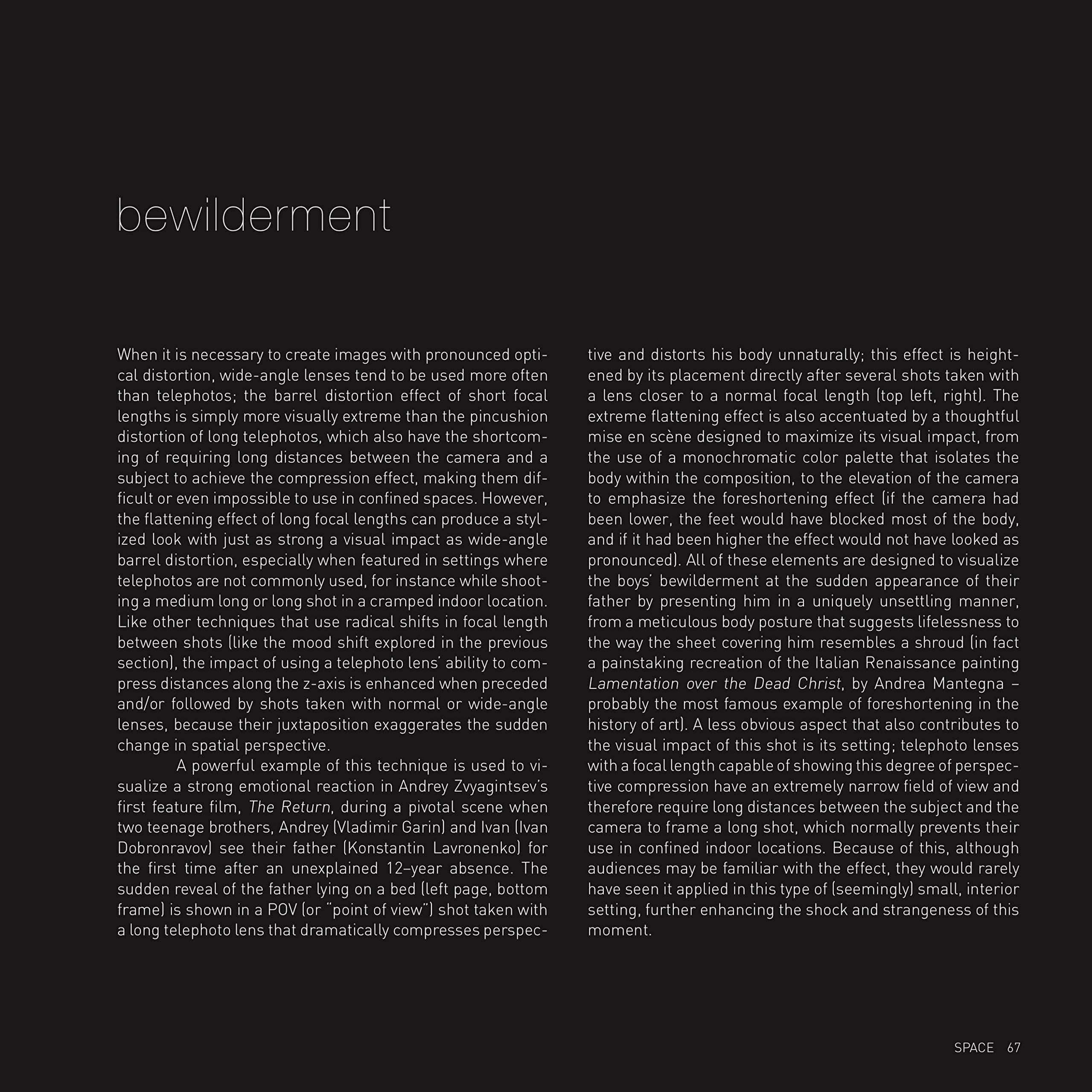
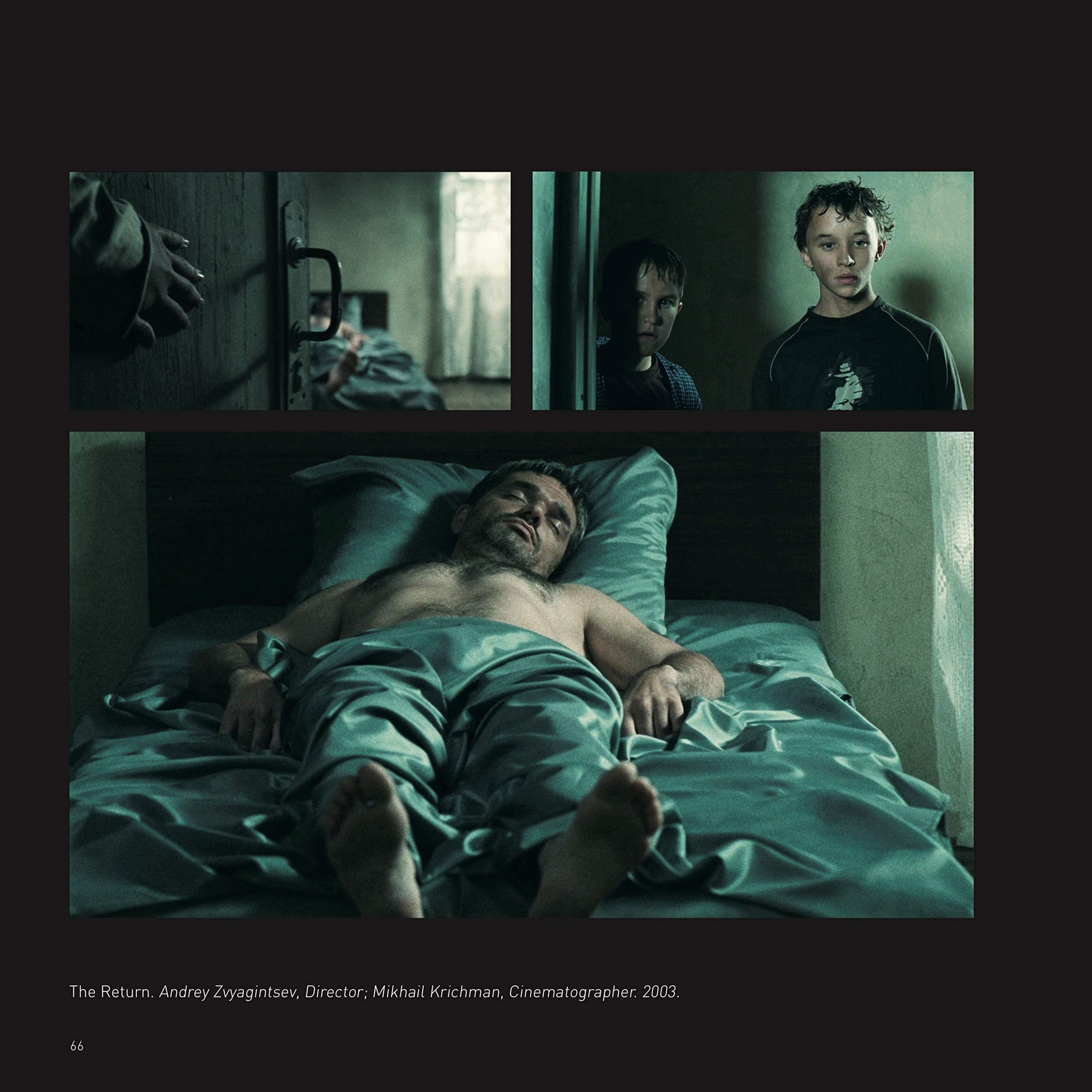
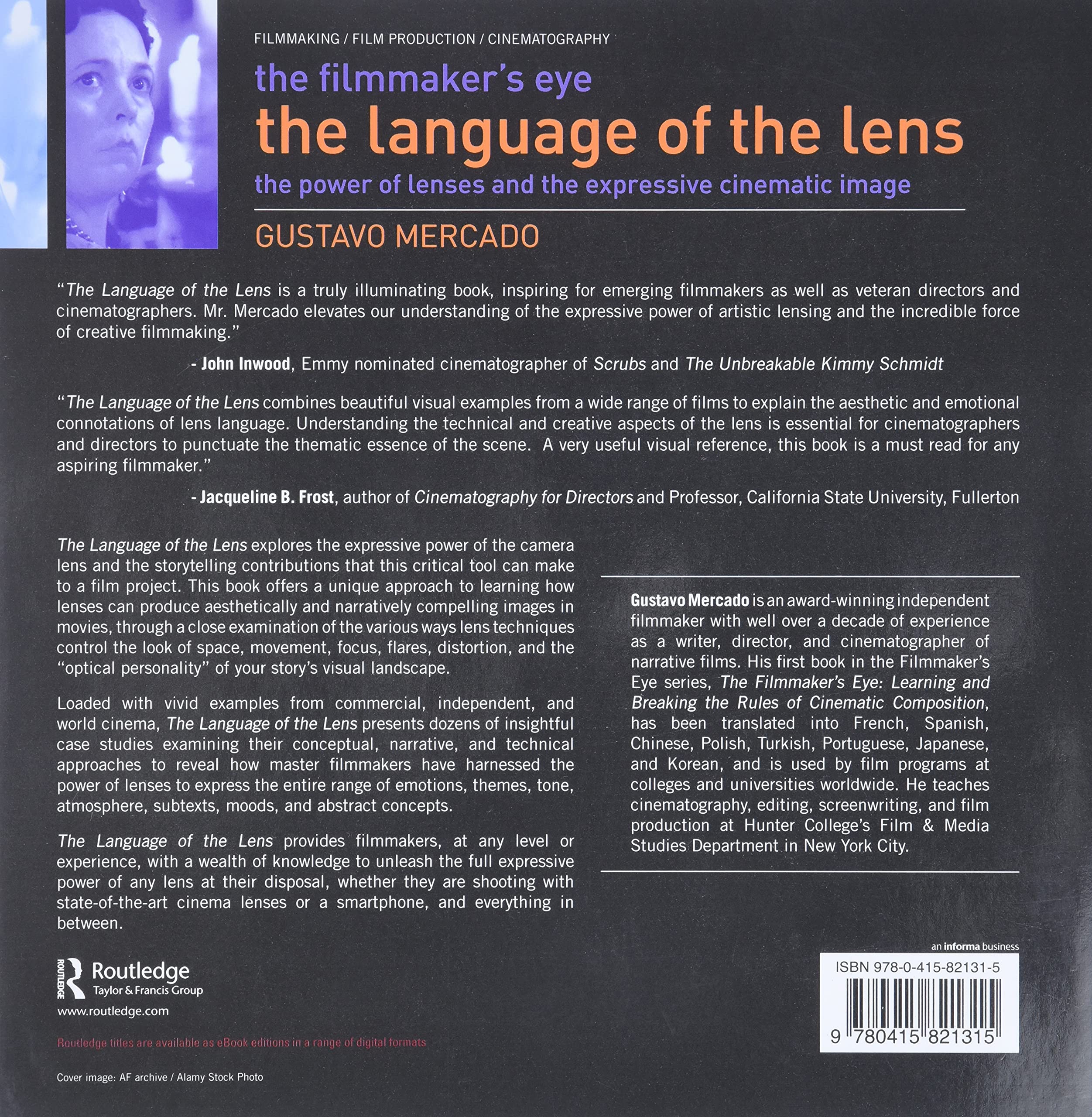
The Filmmaker's Eye: The Language of the Lens: The Power of Lenses and the Expressive Cinematic Image [Mercado, Gustavo] on desertcart.com. *FREE* shipping on qualifying offers. The Filmmaker's Eye: The Language of the Lens: The Power of Lenses and the Expressive Cinematic Image Review: Good book - Very good book that any film student or person who wants to know and learn about cinematographic language is a great option. Great quality of the material and printing of the sheets, meets expectations. Review: A great book for filmmakers of all skill levels - Wow! I'm absolutely in love with this book. Two pages in and I was extremely inspired and invigorated. I highly recommend this book to any (and all) filmmakers/directors/cinematographers. Highest recommendation.


| Best Sellers Rank | #987,485 in Books ( See Top 100 in Books ) #162 in Cinematography (Books) #628 in Video Direction & Production (Books) #889 in Movie Direction & Production |
| Customer Reviews | 4.6 4.6 out of 5 stars (160) |
| Dimensions | 8.9 x 0.5 x 8.8 inches |
| Edition | 1st |
| ISBN-10 | 0415821312 |
| ISBN-13 | 978-0415821315 |
| Item Weight | 1.45 pounds |
| Language | English |
| Print length | 196 pages |
| Publication date | July 17, 2019 |
| Publisher | Routledge |
C**S
Good book
Very good book that any film student or person who wants to know and learn about cinematographic language is a great option. Great quality of the material and printing of the sheets, meets expectations.
C**E
A great book for filmmakers of all skill levels
Wow! I'm absolutely in love with this book. Two pages in and I was extremely inspired and invigorated. I highly recommend this book to any (and all) filmmakers/directors/cinematographers. Highest recommendation.
C**N
After the Revolution
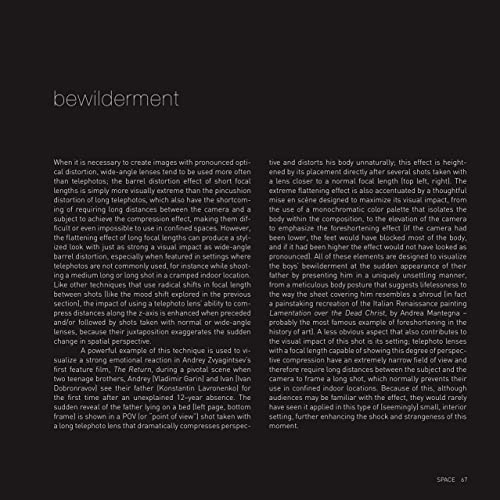
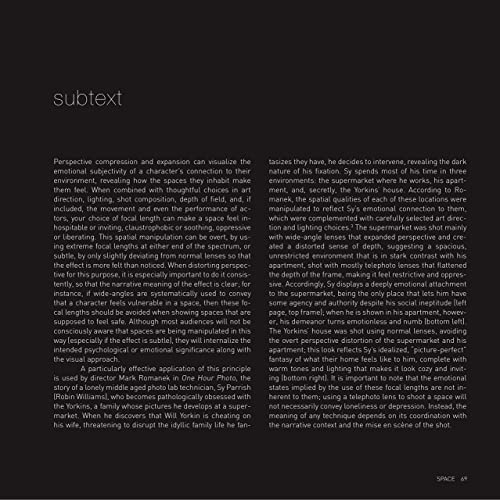
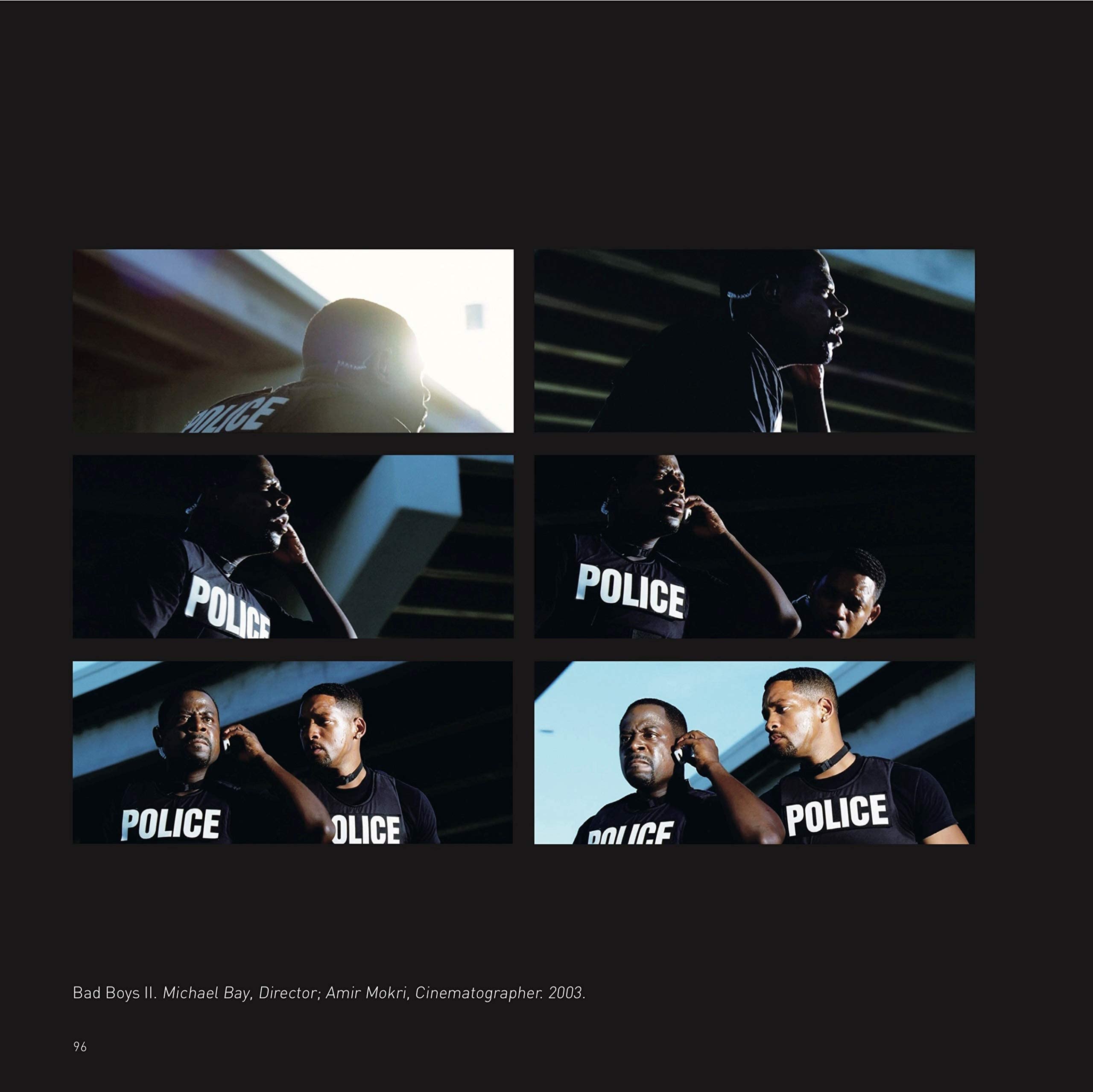
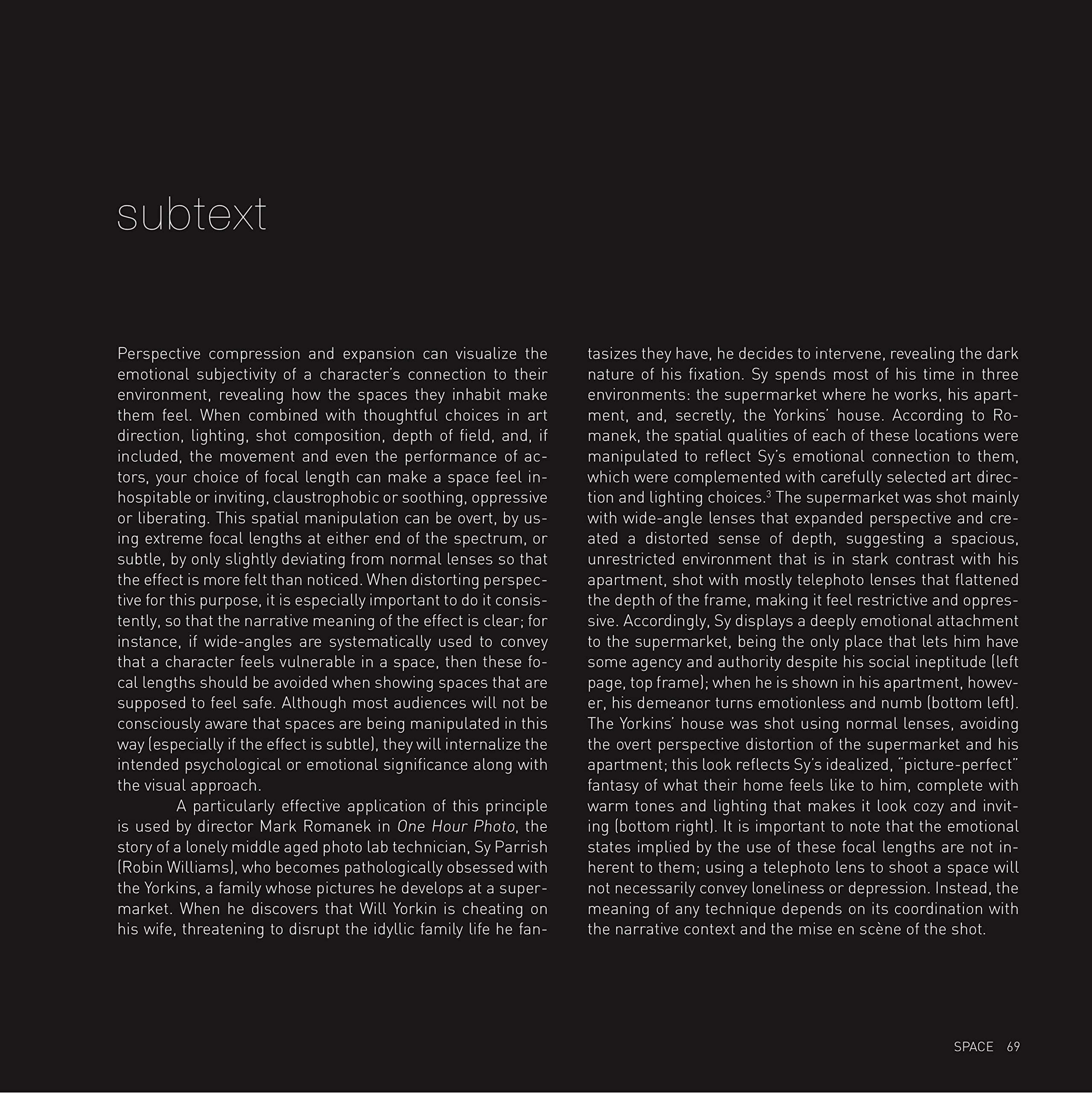
Thanks to the introduction of video capabilities for DSLR cameras, often called the DSLR revolution, filmmakers have had an increased opportunity and selection of lenses to realize their vision. Gustavo Mercado explores the way this opportunity can be maximized. The book begins with an introduction to lenses themselves, explaining how they can be used to capture the light for cinematic purposes. He explores the features of lenses in detail, like field of view and aperture. I was particular impressed with the amount of detail he presented dispelling myths about focal length and depth of field. Even still photographers might benefit from his exploration of this issue. The author then turns to the question of how different lenses can be used to capture vision. He does this by exploring considerations like space, movement, focus, flares, distortion and what he calls intangibles. Within each consideration there are emotional responses that can be captured by lens selection. For example under space, he considers confinement, vastness, awkwardness, etc. His method is usually to select one or more scenes from a movie, shown as a photograph on the left hand side of the gutter and discussed on the right hand page. He doesn’t offer simple rules and in fact shows how, say, different length lenses, may be used to capture the same feeling, depending on the entire constellation of set design, lighting, costumes, acting and directing. It soon becomes clear that while the selection of lenses is essential to realizing a vision, it must be considered within the entire set of factors that affect the final production. Mercado’s style is clear and easy to understand. Not only did I learn about using lenses to achieve one’s vision, but I enjoyed reading the book. The book is devoted to narrative fictional cinema. On the other hand, documentarians may be able to extract some useful help. I highly recommend this book. Note: The publisher provided me with a review copy of this book at no charge.
F**S
In depth book on creating a feel and look to films using lenses
There is a ton to know about lenses and much is covered in this book. I am no expert, But after reading this book I feel much more enlightened to the technical side of lenses and the artistic side which are both covered. Since reading it I pay much more attention to the scenes in movies that I watch and try to learn from the shots used and the decision on lenses. It was a bit overwhelming for me as I am not a professional Cinematographer but more of a general film guy. I did learn a lot about creating dramatic effects and adding feeling to movies and even short videos using the techniques discussed. I enjoyed the book and recommend it to any film student who wants to learn about lens choices in filmmaking. Anyone making movies will learn from this book. Lenses are used to tell the story. Which lens and how you use it can alter the story dramatically. Loaded with information that can be used immediately in your movie making process. Review copy supplied for my honest review
L**.
Bought new but came used
Thought I was buying a brand new book, but upon receiving it looks used. Bend in binder as though it’s been curled back. Disappointed because I bought it for my boyfriend as a gift.
N**D
Concise Yet Impactful
Small book but packs a mean punch; helps one understand how DPs alter and acquire "hard to get" lens so that the film can achieve a particular esthetic
G**S
Arrived quickly but one corner of the book was bent as though it had been thumbed through a few times. Have been weighing it down under another heavier book to flatten it as it is a birthday present. Is now looking a bit better.
Trustpilot
2 days ago
2 weeks ago